134,446 tonnes of discarded e-waste and lamps
Our strongest year to date

collected in 2024
An increase of 5.2%
Examining the volume (in tonnes) by category, we see:
Large white goods (e.g. washing machines)

Cooling and freezing equipment

Lamps

Other small devices (e.g. cell phones, irons, tablets)

Smoke detectors

Televisions & monitors

Professional equipment

collected in 2024
An increase of 7.7%
Examining each category in units, we see:
Large white goods (e.g. washing machines)
Cooling and freezing equipment
Lamps
Other small devices (e.g. cell phones, irons, tablets)
Smoke detectors
Televisions & monitors
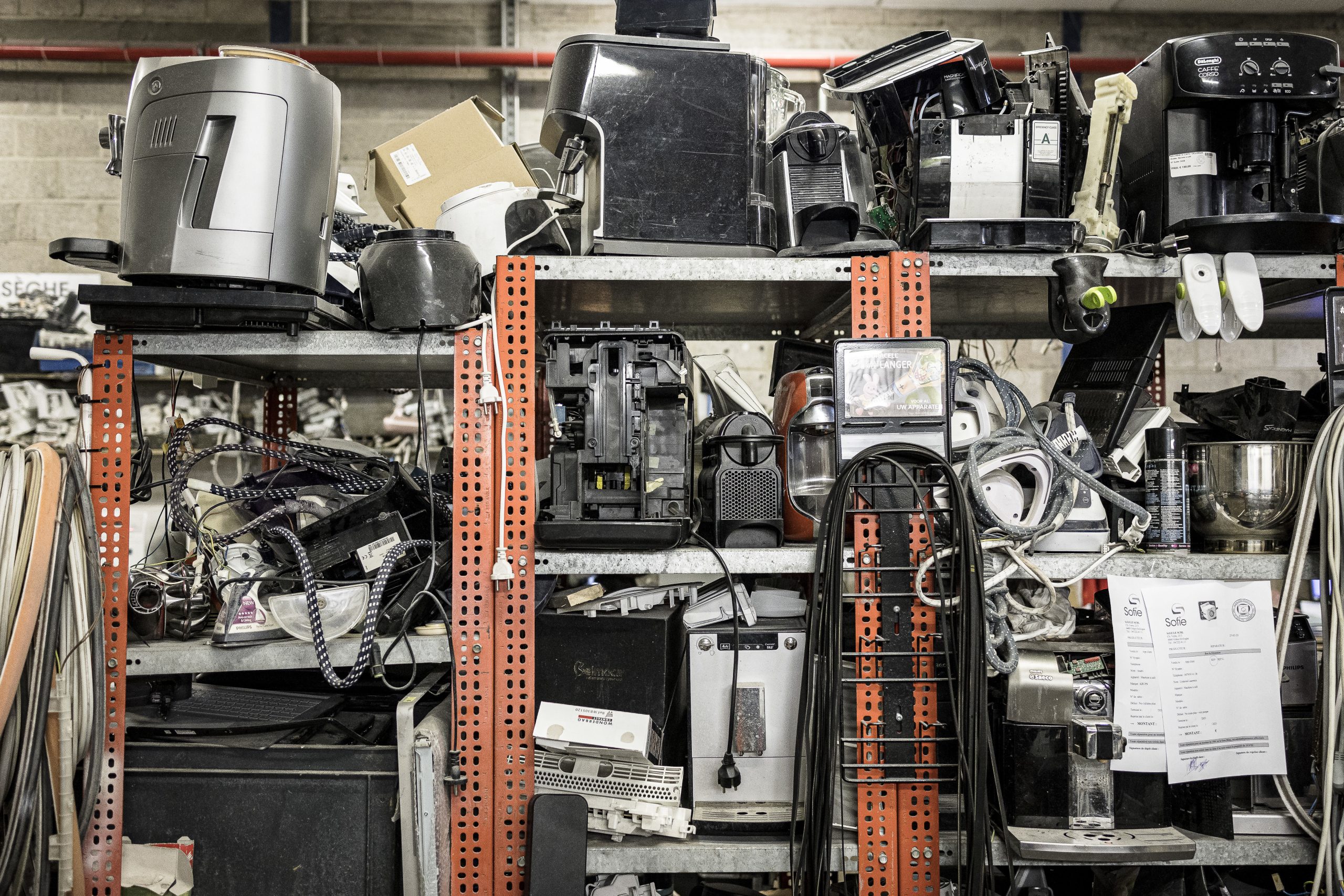
In 2024, consumers and businesses gave 6.3 million kg of discarded appliances a second life. After a significant increase in 2023, this represents a slight decrease of 6.1%. Reuse means smarter use of resources and energy, as well as job creation in the social economy. It also offers an affordable and high-quality option for low-income households.
 BELGIUM - ELECTRO SOFIE
Over 2,500 tonnes of discarded appliances found a new home thanks to second-hand stores and reuse centres. This is a 3.5% increase over 2023.
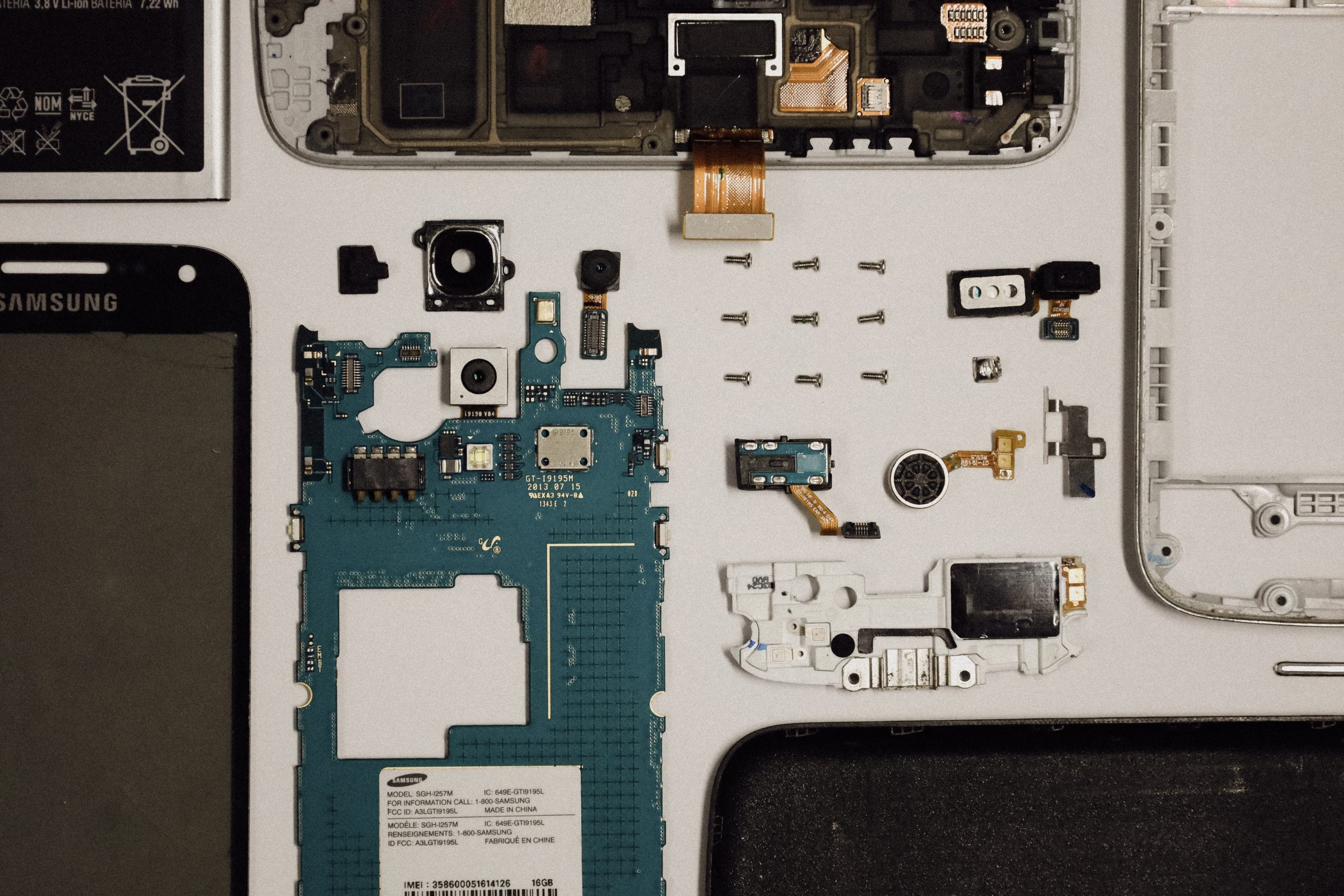
In 2024, charter collectors returned more than 1,371 tonnes of professional and household appliances to circulation. The charter collectors collect appliances for Recupel, and some organise reuse themselves.
Recupel members – producers and distributors – gave almost 2,500 tonnes of discarded or returned devices a second life.
Year after year, our recycling rate – including reuse – continues to rise. Compared to 2023, we have improved by nearly one percentage point. Over the past year, our processors recycled 85.1% of the collected appliances and lamps: more than two percentage points higher than in 2023, when the rate was 82.3%. In addition, 0.9% was recovered as a secondary material to support other processes, and 10.2% was incinerated with energy recovery.
Per category:
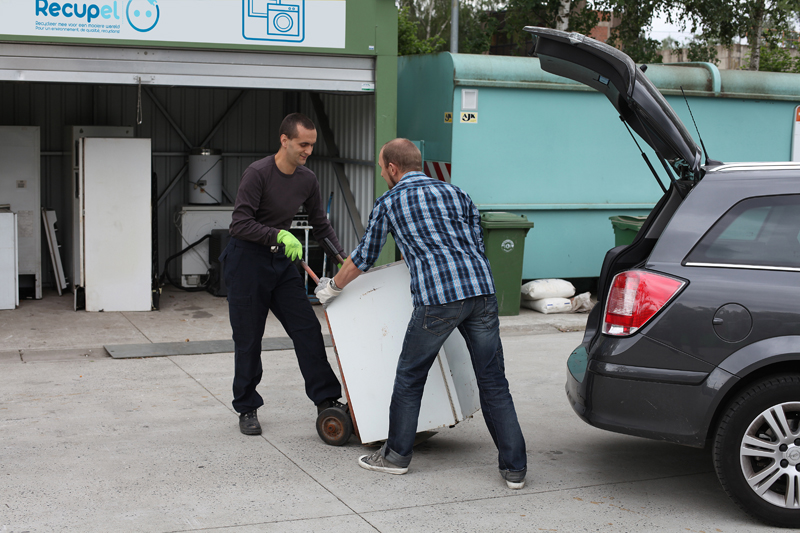
Recycling centres are the hubs of the circular economy. Belgium has a total of 546 of them.centres are a crucial link within the circular economy. In Belgium, we operate a total 544 centres.
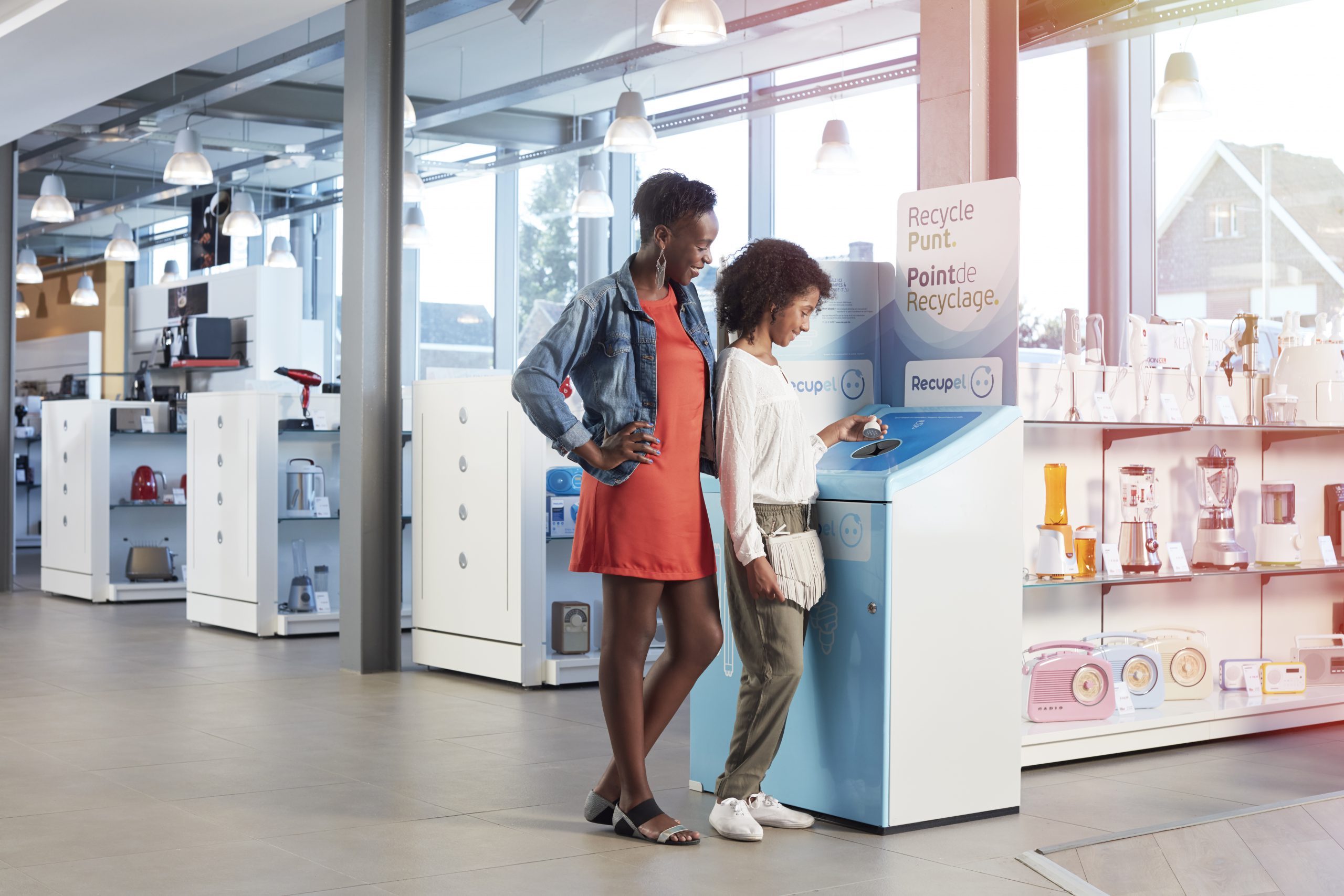
Shops that sell electrical and electronic appliances are legally required to accept similar devices from customers for proper processing. To do so, they can register as an official collection point. In 2024, there were 12,049 collection points across Belgium. Of these, 2,735 also featured a RecyclePoint: a convenient container for dropping off small electricals and lamps.
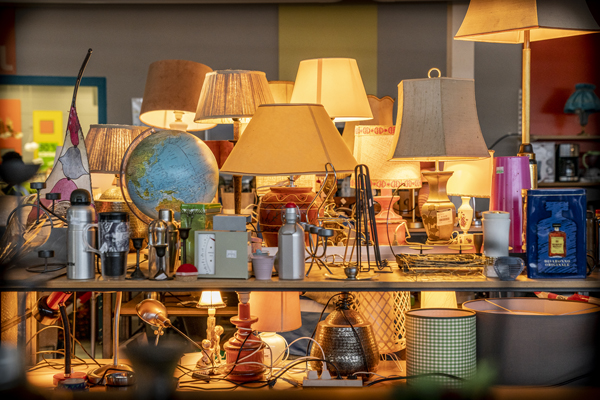
Reuse centres repair discarded appliances if needed and prepare them for resale in second-hand shops. In 2024, we collaborated with 26 Flemish second-hand centres and 15 members of Ressources in Brussels and Wallonia.
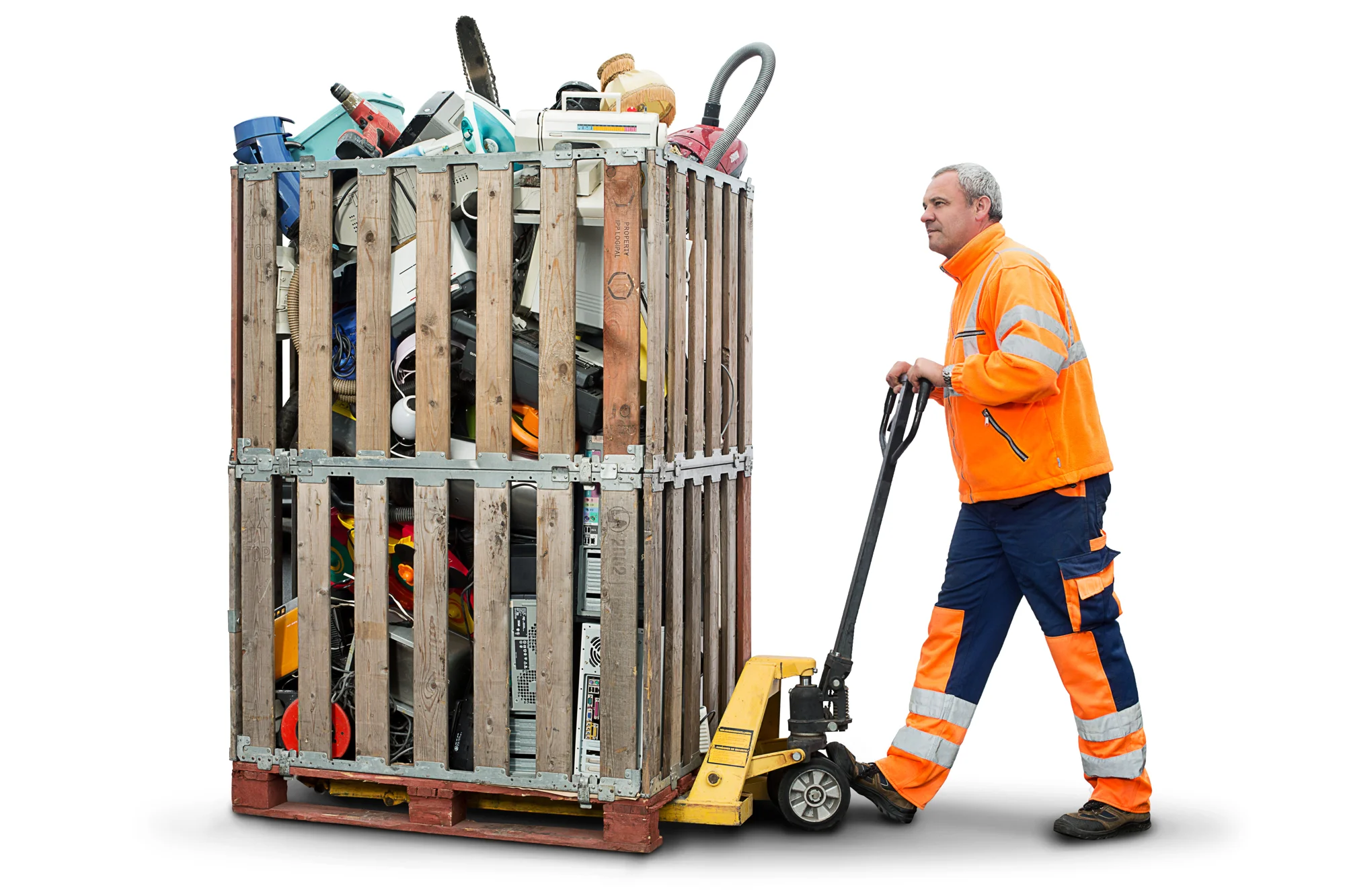
Businesses can deliver their discarded electrical equipment directly to one of our charter collectors for proper treatment. Recupel has a network of 97 charter collectors, comprising 80 chartered transporters and 17 chartered processors.
The HIVA Research Institute for Work and Society mapped out Recupel’s entire value chain. HIVA is a research institute affiliated with KU Leuven. In total, the chain accounts for 1,734 full-time equivalents (FTEs), with most employees working in collection and recycling.
Across the entire value chain, more than 1,000 people are employed within the social economy, representing 61% of the total workforce. The majority of individuals who face barriers to the labour market are involved in repair and reuse. One in three employees in the recycling sector also works within the social economy.
